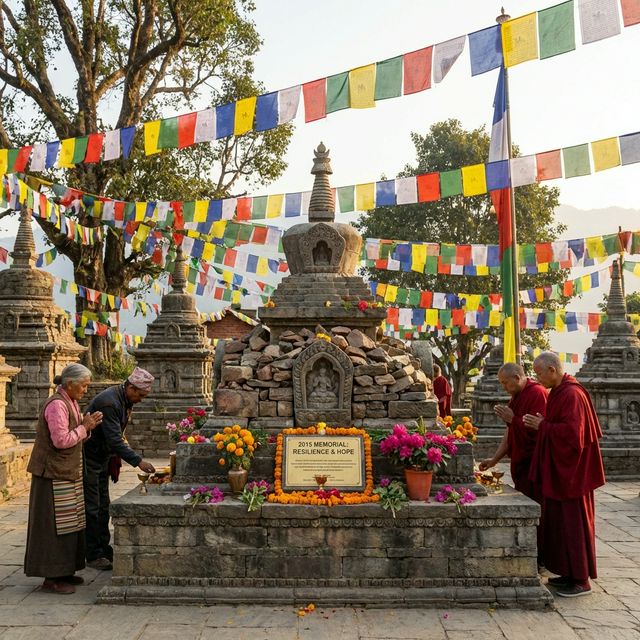
Temples are an integral part of life in Nepal. Whether it’s the grand Pashupatinath or a small neighborhood shrine, temples play a vital role in Nepali society. But have you ever wondered why temple visits are so important to us?
Beyond Religious Duty
While temples are certainly places of worship, their significance goes far beyond fulfilling religious obligations. They serve multiple purposes in our lives and communities.
Spiritual Connection
Finding Peace
In our busy lives, temples offer:
- A quiet space for reflection and meditation
- Escape from daily stress and worries
- Connection with the divine
- Moments of inner peace
Seeking Blessings
People visit temples to:
- Pray for health and prosperity
- Seek guidance during difficult times
- Express gratitude for blessings received
- Mark important life events
Cultural Significance
Preserving Traditions
Temples are living museums of our culture:
- Ancient architecture showcasing traditional craftsmanship
- Religious practices passed down through generations
- Art and sculptures telling stories of our heritage
- Festivals and rituals keeping traditions alive
Community Hub
Temples serve as gathering places where:
- Neighbors meet and socialize
- Community events are organized
- Cultural knowledge is shared
- Social bonds are strengthened
The Ritual of Temple Visits
Morning Visits
Many Nepalis start their day with a temple visit:
- Offering flowers and incense
- Lighting butter lamps
- Circumambulating the shrine
- Receiving tika (blessed mark on forehead)
Special Occasions
Temples are central to life events:
- Birth ceremonies (Pasni, Bratabandha)
- Weddings and engagements
- Death rituals and memorial services
- Festival celebrations
Different Types of Temples
Hindu Temples
- Dedicated to various deities (Shiva, Vishnu, Ganesh, etc.)
- Specific rituals and offerings for each deity
- Often located near water sources
- Important pilgrimage sites
Buddhist Stupas and Monasteries
- Places for meditation and learning
- Circumambulation as a form of prayer
- Prayer wheels and flags
- Teachings and ceremonies
Neighborhood Shrines
- Small local temples in every community
- Daily worship by residents
- Simple but deeply meaningful
- Part of daily routine
Personal Reasons for Temple Visits
Seeking Solace
During difficult times, temples provide:
- Comfort in shared faith
- Hope through prayer
- Perspective on life’s challenges
- Emotional support
Expressing Gratitude
When good things happen:
- Offering thanks to the divine
- Sharing joy with the community
- Making offerings as promised
- Celebrating blessings
Meditation and Mindfulness
Temples offer space for:
- Quiet contemplation
- Spiritual practice
- Mental clarity
- Inner growth
The Social Aspect
Meeting People
Temples are social spaces where:
- Friends and family gather
- New connections are made
- Community news is shared
- Relationships are maintained
Helping Others
Temple communities often:
- Support those in need
- Organize charitable activities
- Provide food to the poor
- Create a support network
Teaching the Next Generation
Passing Down Values
Parents bring children to temples to:
- Teach religious practices
- Share cultural heritage
- Instill moral values
- Create family traditions
Learning Respect
Temple visits teach:
- Respect for sacred spaces
- Proper behavior and etiquette
- Cultural customs
- Spiritual awareness
The Atmosphere of Temples
Sensory Experience
Visiting a temple engages all senses:
- Sight: Beautiful architecture, colorful decorations
- Sound: Bells, mantras, prayers
- Smell: Incense, flowers, butter lamps
- Touch: Cool stone floors, prayer beads
- Taste: Prasad (blessed food offerings)
Sacred Energy
There’s something special about temple atmosphere:
- Collective faith and devotion
- Centuries of prayers and rituals
- Peaceful, contemplative mood
- Sense of something greater than ourselves
Modern Relevance
In Today’s World
Even as Nepal modernizes, temples remain important:
- Anchors of tradition in changing times
- Spaces for reflection in a fast-paced world
- Community centers in urban areas
- Cultural identity markers
For Young People
Younger generations visit temples to:
- Connect with their roots
- Find peace amid modern stress
- Participate in cultural events
- Maintain family traditions
For Visitors and Tourists
Understanding Temple Culture
When visiting Nepali temples:
- Dress modestly and respectfully
- Remove shoes before entering
- Ask permission before taking photos
- Observe quietly during ceremonies
- Follow local customs
What You’ll Experience
- Warm hospitality from devotees
- Unique architectural beauty
- Living cultural practices
- Spiritual atmosphere
My Personal Perspective
As someone who grew up visiting temples regularly, I can say that these visits have shaped who I am. Temples taught me:
- Patience through waiting in lines for darshan
- Humility in the presence of the divine
- Community through shared worship
- Tradition through repeated rituals
Conclusion
We go to temples for many reasons – some spiritual, some social, some cultural. But ultimately, temple visits connect us to something larger than ourselves: our faith, our community, our heritage, and our shared humanity.
Whether you’re a devout believer or a curious visitor, temples in Nepal offer a unique experience that touches the heart and enriches the soul. They remind us that in our busy, modern lives, there’s still a place for peace, reflection, and connection.
The next time you see someone heading to a temple, know that they’re not just fulfilling a religious duty – they’re participating in a rich tradition that nourishes the spirit, strengthens community bonds, and keeps our culture alive for future generations.