Nepal is home to a vibrant Tibetan community, and experiencing their way of life offers a unique window into a culture that values spirituality, community, and tradition above all else.
Tibetan Culture in Nepal
Since the 1950s, Nepal has been home to a significant Tibetan refugee community. Areas like Boudhanath in Kathmandu and various settlements across Nepal have become centers of Tibetan culture, where traditions are preserved and practiced daily.
Daily Life and Spirituality
Morning Rituals
Tibetan life is deeply intertwined with Buddhist practices:
- Early morning prayers at monasteries
- Spinning prayer wheels while walking
- Prostrations as a form of meditation and devotion
- Butter lamp offerings at temples and shrines
The Monastery Life
Visiting Tibetan monasteries reveals:
- Monks in deep meditation and study
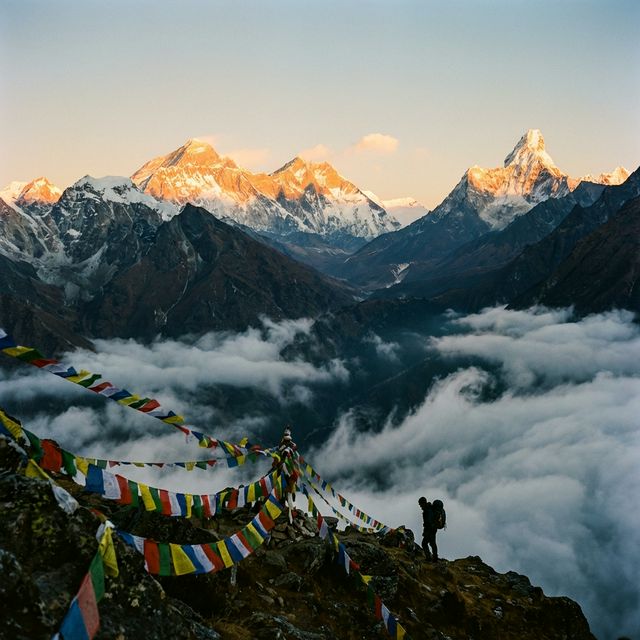
- Colorful prayer flags carrying mantras in the wind
- Intricate mandalas created with colored sand
- The sound of horns and drums during prayer ceremonies
Key Aspects of Tibetan Culture
Prayer Wheels
One of the most recognizable symbols of Tibetan Buddhism:
- Cylindrical wheels inscribed with mantras
- Spinning them is believed to spread spiritual blessings
- Found at monasteries, stupas, and along pilgrimage routes
- Each rotation is equivalent to reciting the prayers inside
Prayer Flags
Colorful flags that are ubiquitous in Tibetan areas:
- Five colors representing the five elements
- Inscribed with prayers and mantras
- Hung in high places so wind carries blessings
- Fading is natural – it means prayers are being released
Thangka Paintings
Traditional Tibetan Buddhist paintings:
- Depict deities, mandalas, and religious scenes
- Created with natural pigments and gold
- Used for meditation and teaching
- Require years of training to master
Food and Hospitality
Tibetan cuisine reflects the high-altitude origins:
Traditional Dishes
- Momo (dumplings) – now popular throughout Nepal
- Thukpa (noodle soup) – hearty and warming
- Tsampa (roasted barley flour) – a staple food
- Butter tea – salty tea made with yak butter
Dining Customs
- Hospitality is paramount
- Tea is offered to all visitors
- Meals are often communal
- Food is simple but nourishing
Festivals and Celebrations
Losar (Tibetan New Year)
The most important Tibetan festival:
- Celebrated in February or March
- Homes are cleaned and decorated
- Special foods are prepared
- Monasteries hold special ceremonies
- A time for family gatherings and new beginnings
Other Important Occasions
- Saga Dawa – celebrating Buddha’s birth, enlightenment, and death
- Monlam – the Great Prayer Festival
- Shoton Festival – yogurt festival with opera performances
Philosophy and Values
Core Principles
Tibetan culture is guided by Buddhist philosophy:
- Compassion for all living beings
- Mindfulness in daily activities
- Impermanence – understanding that all things change
- Karma – the law of cause and effect
Community Focus
- Strong sense of community support
- Respect for elders and teachers
- Preservation of cultural identity
- Sharing resources and knowledge
Learning from Tibetan Culture
What Visitors Can Experience
- Meditation sessions at monasteries
- Tibetan language classes
- Traditional art workshops (thangka painting, mandala making)
- Cooking classes for Tibetan cuisine
- Cultural performances and music
Respectful Engagement
When experiencing Tibetan culture:
- Remove shoes before entering monasteries
- Walk clockwise around stupas and prayer wheels
- Ask permission before taking photos
- Dress modestly at religious sites
- Speak quietly in sacred spaces
The Resilience of Tibetan Culture
Despite being far from their homeland, the Tibetan community in Nepal has:
- Maintained their language and traditions
- Built monasteries and schools
- Preserved their unique identity
- Shared their culture with the world
My Personal Observations
As a guide, I’ve had the privilege of spending time in Tibetan communities and learning from their way of life. What strikes me most is:
- The peaceful demeanor of people despite hardships
- The dedication to spiritual practice
- The warmth of Tibetan hospitality
- The colorful, vibrant expressions of faith
For Visitors
To experience Tibetan culture in Nepal:
Must-Visit Places
- Boudhanath Stupa in Kathmandu
- Swayambhunath (Monkey Temple)
- Kopan Monastery for meditation courses
- Tibetan settlements in Pokhara
Best Times to Visit
- During Losar for festive celebrations
- Early morning to see prayer ceremonies
- Full moon days for special observances
Conclusion
Experiencing the Tibetan way of life is a profound journey into a culture that has maintained its identity and spirituality despite tremendous challenges. From the spinning of prayer wheels to the sharing of butter tea, every aspect of Tibetan culture offers lessons in mindfulness, compassion, and community.
Whether you’re seeking spiritual insights, cultural understanding, or simply want to experience a different way of life, the Tibetan community in Nepal welcomes visitors with open hearts and warm smiles.